Concrete Sleeper Retaining Walls
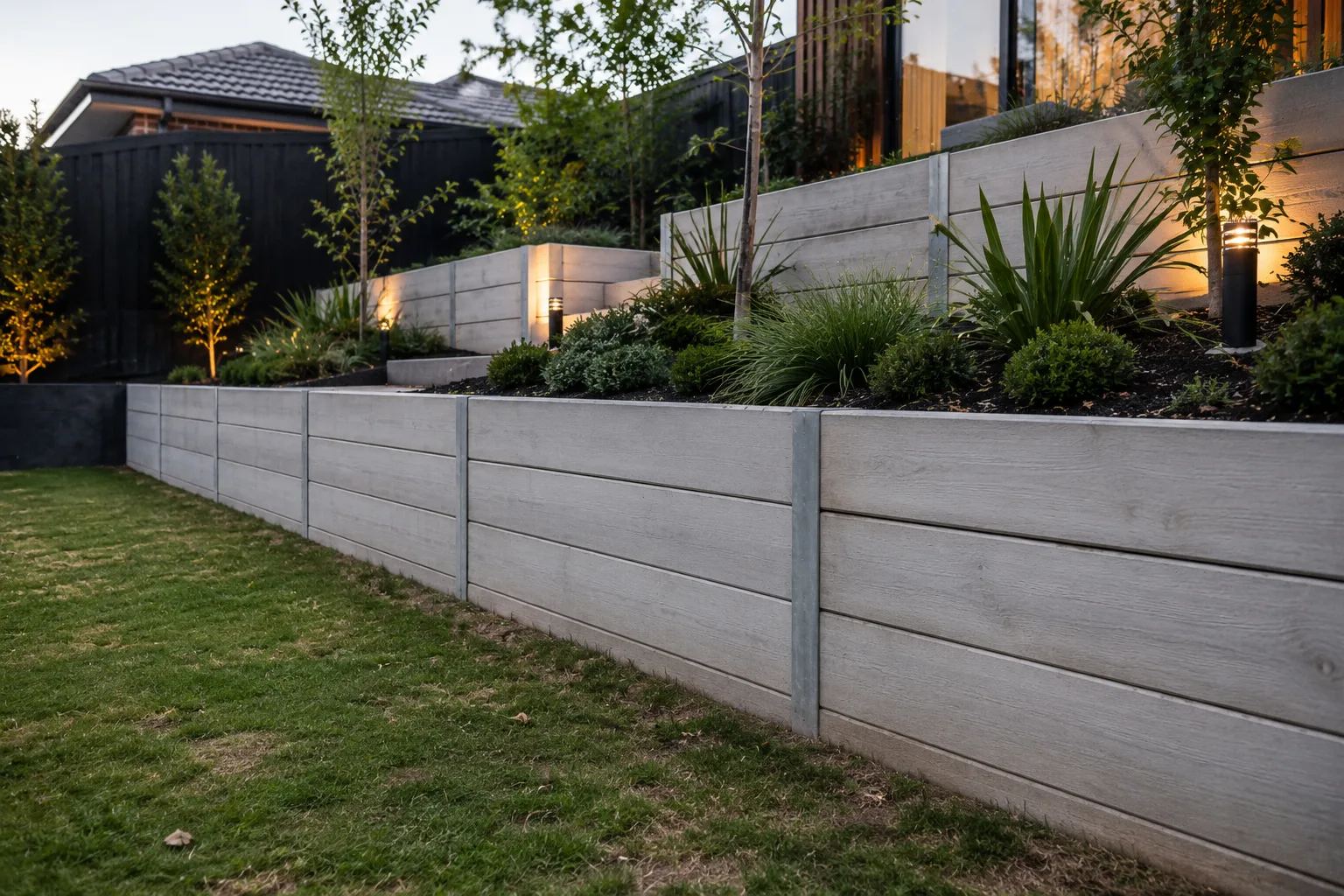
Steel-reinforced and low-maintenance, a solid option where an older timber wall needs replacing with something that won't need doing again in another decade.
Read more →
A lot of the retaining wall work we see in Newport isn't new-build, it's replacement. Homes built through the 1960s to 80s along this stretch of coast are now at the age where their original timber or sandstone walls are tired, and salt air off the coastline speeds that process up. Steel fixings corrode faster this close to the water, and untreated or lightly treated timber doesn't last as long as it would a few kilometres inland. A wall that was fine ten years ago can be the weak point in the yard today, and a straight swap for what was there before doesn't always meet current engineering standards either. If your wall's on the way out or you're planning new terracing on a sloped block, get in touch and we'll look at what the site actually needs now.
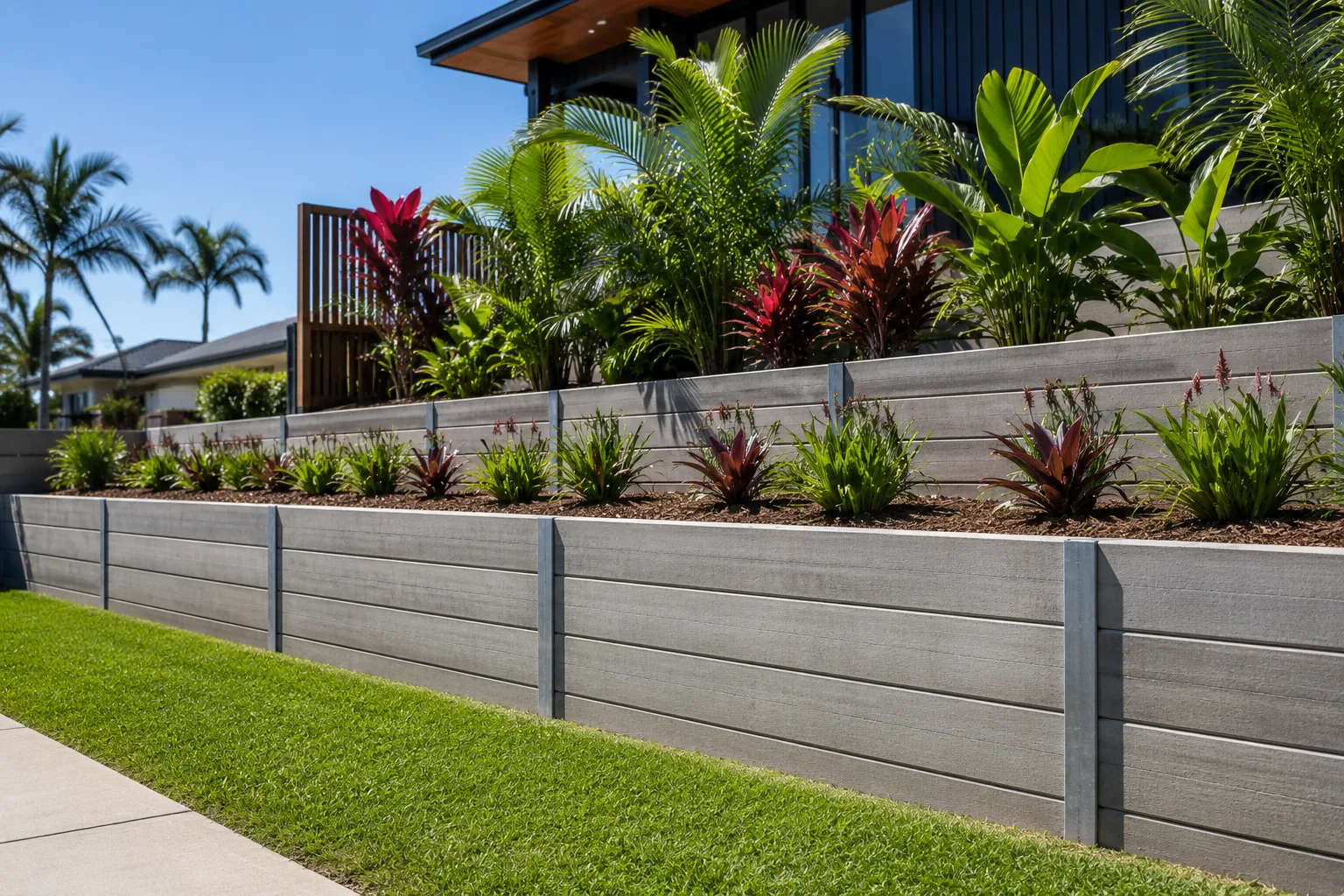
Steel-reinforced and low-maintenance, a solid option where an older timber wall needs replacing with something that won't need doing again in another decade.
Read more →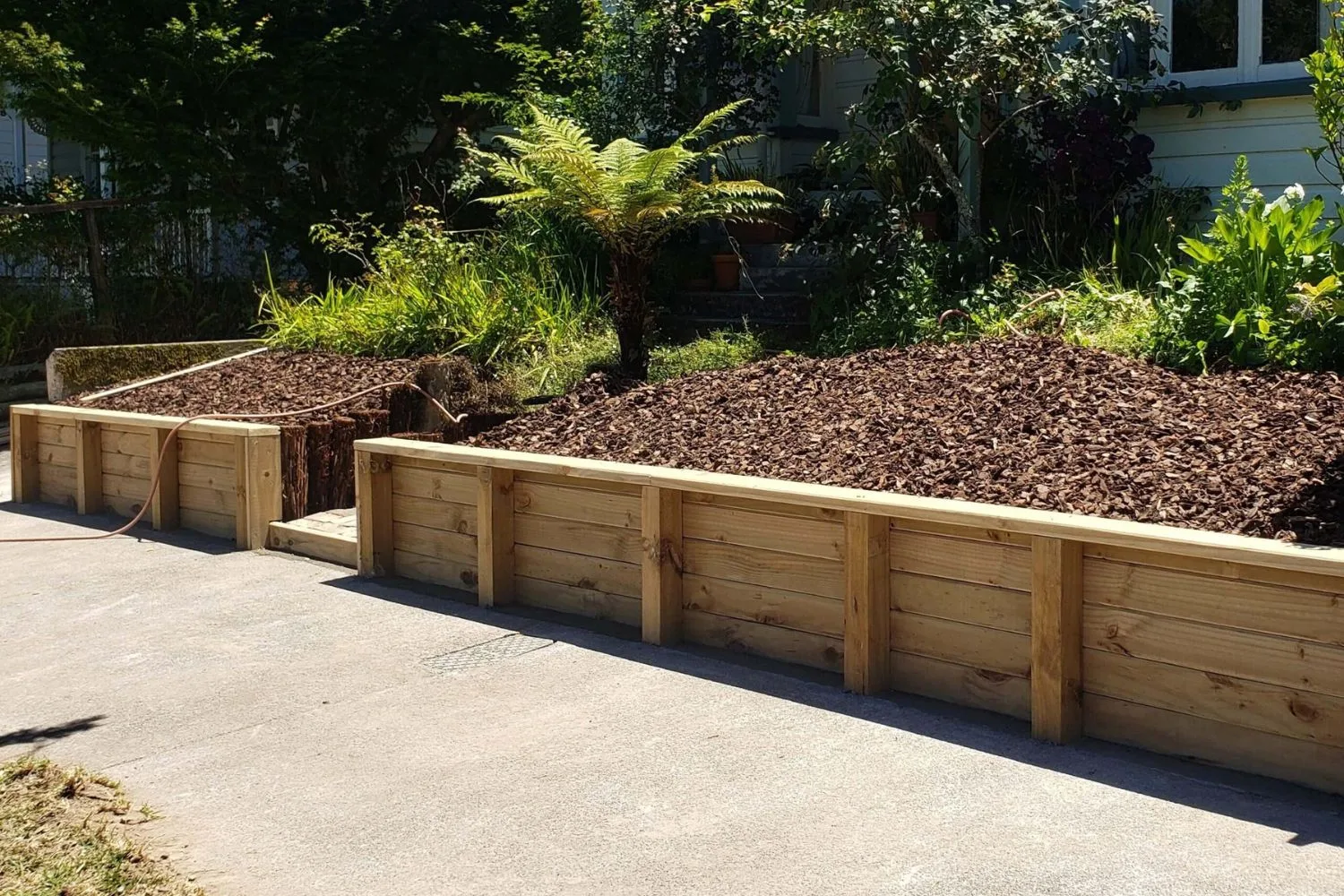
Still a good fit for garden terracing and softer landscaping, built with treatment suited to a coastal site rather than a standard inland spec.
Read more →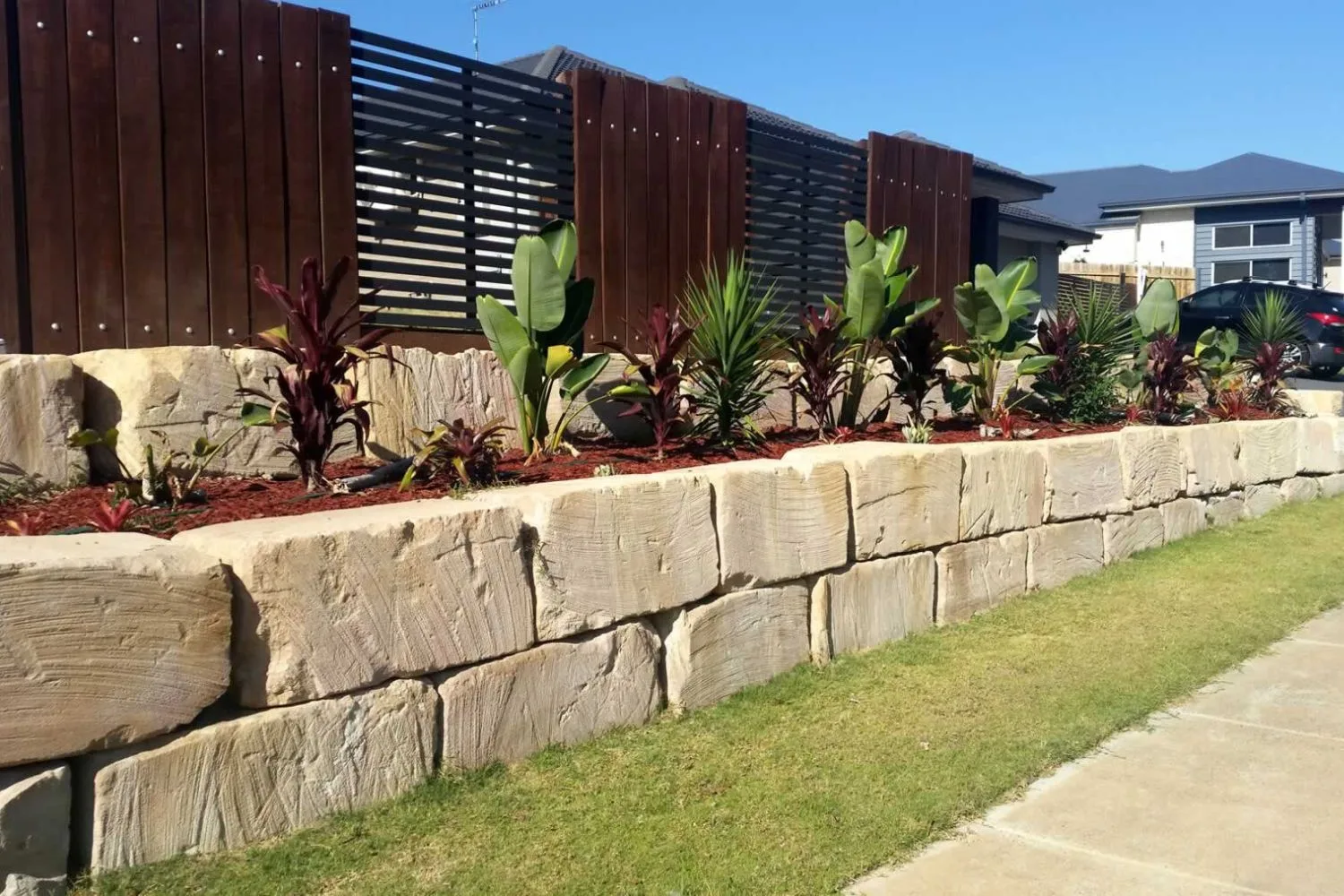
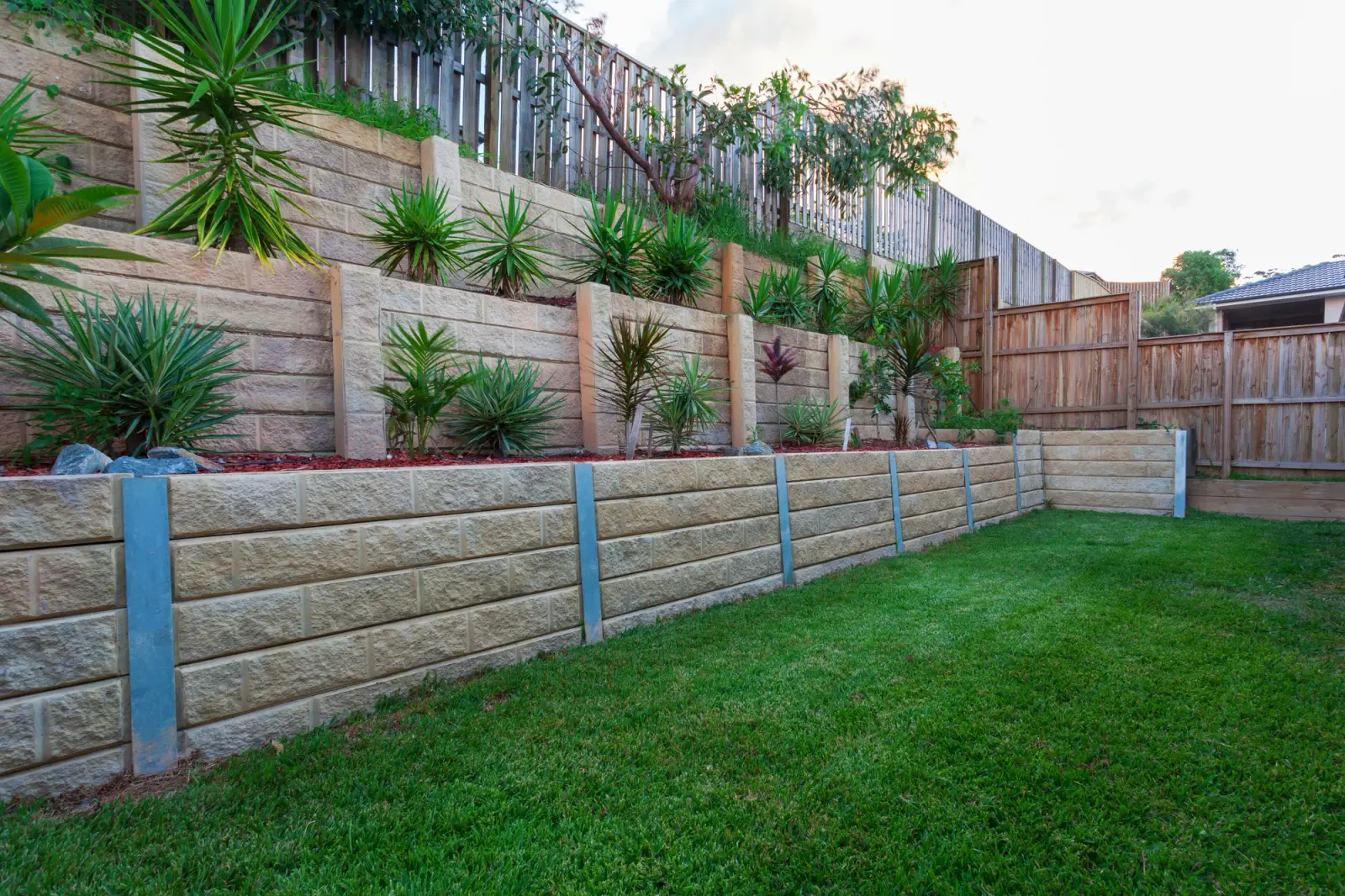
A premium, established look that suits Newport's older streetscapes, laid to last well beyond a typical timber wall's lifespan.
Read more →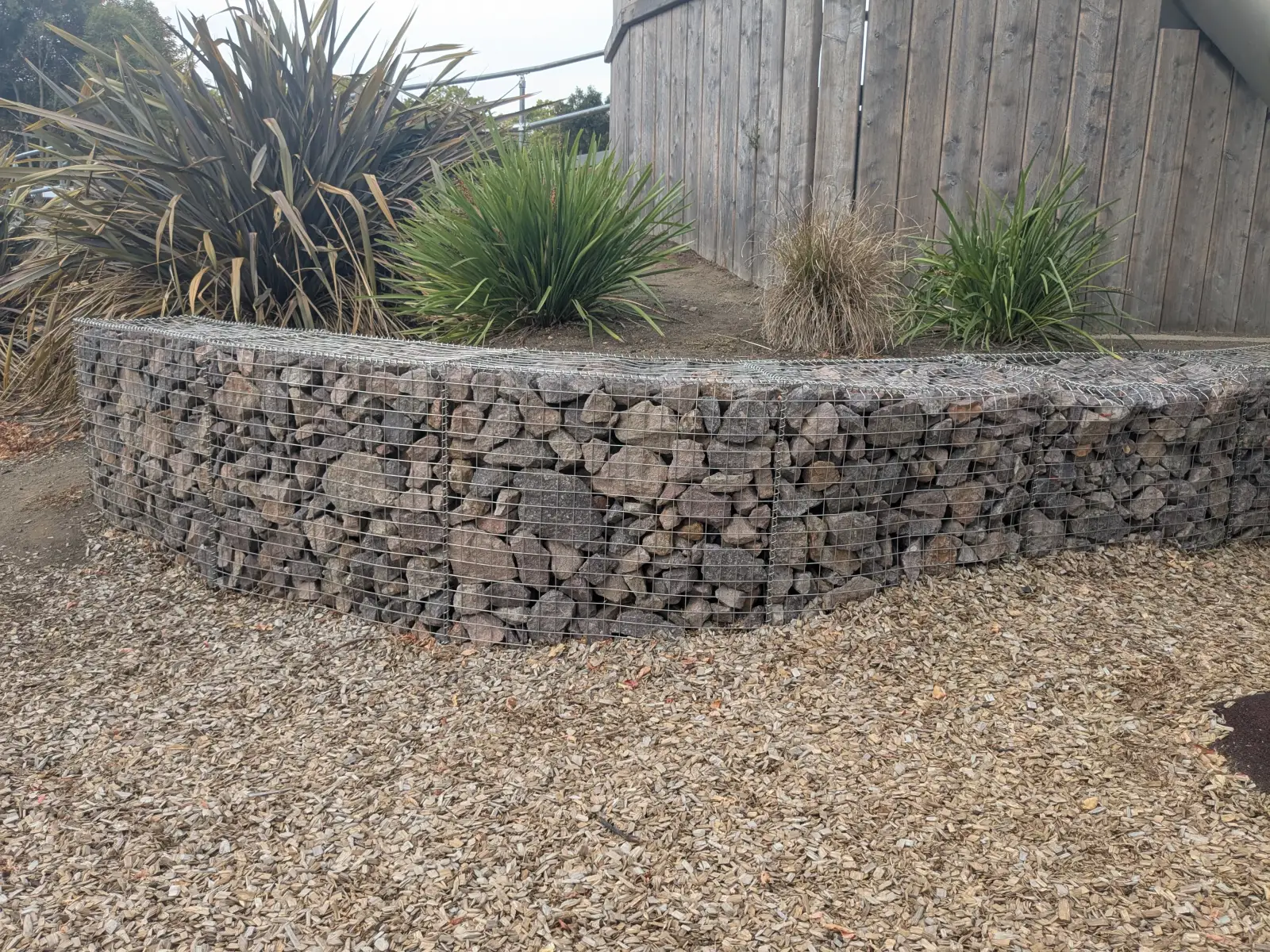
A permeable option for blocks with drainage issues, with steel cages we spec for the local conditions rather than a generic finish.
Read more →We don't treat a coastal wall the same as one built a few suburbs inland. Fixings, fasteners and treated timber all get specified with the salt air in mind, because a wall built to a generic spec here is the one that needs redoing early. Newport also carries some legacy planning provisions from the old Pittwater Council around foreshore and steep-land building lines, and where a block sits close to that boundary, we factor it into the design before work starts rather than after a council query holds the job up. That groundwork, done properly the first time, is what keeps a replacement wall from becoming another ten-year problem.
On older coastal blocks like Newport's, corrosion of the steel components or rot in the timber is usually further along than it looks from the surface. Once a wall's leaning or the sleepers are cracking, replacement is almost always the safer call over a patch-up, and we'll tell you straight if that's what we're looking at.
It comes down to what's failing now, the slope you're holding back, and how exposed the site is to salt air. We'll walk you through which of the four actually suits your block rather than defaulting to whatever was there before.
Yes. Poor drainage is one of the most common reasons older walls along this coastline fail early, so it's designed in from the start on every wall we build, not bolted on afterwards.
Where a wall needs an engineer's sign-off, whether that's due to height, a boundary, or Newport's foreshore-area planning provisions, we arrange that as part of the job rather than leaving you to source it separately.
Whether it's an ageing wall that's finally had enough or a new terrace for a renovation, we'll assess the site, recommend the right material, and build it to handle what this coastline actually throws at it. Reach out and we'll get the process moving.