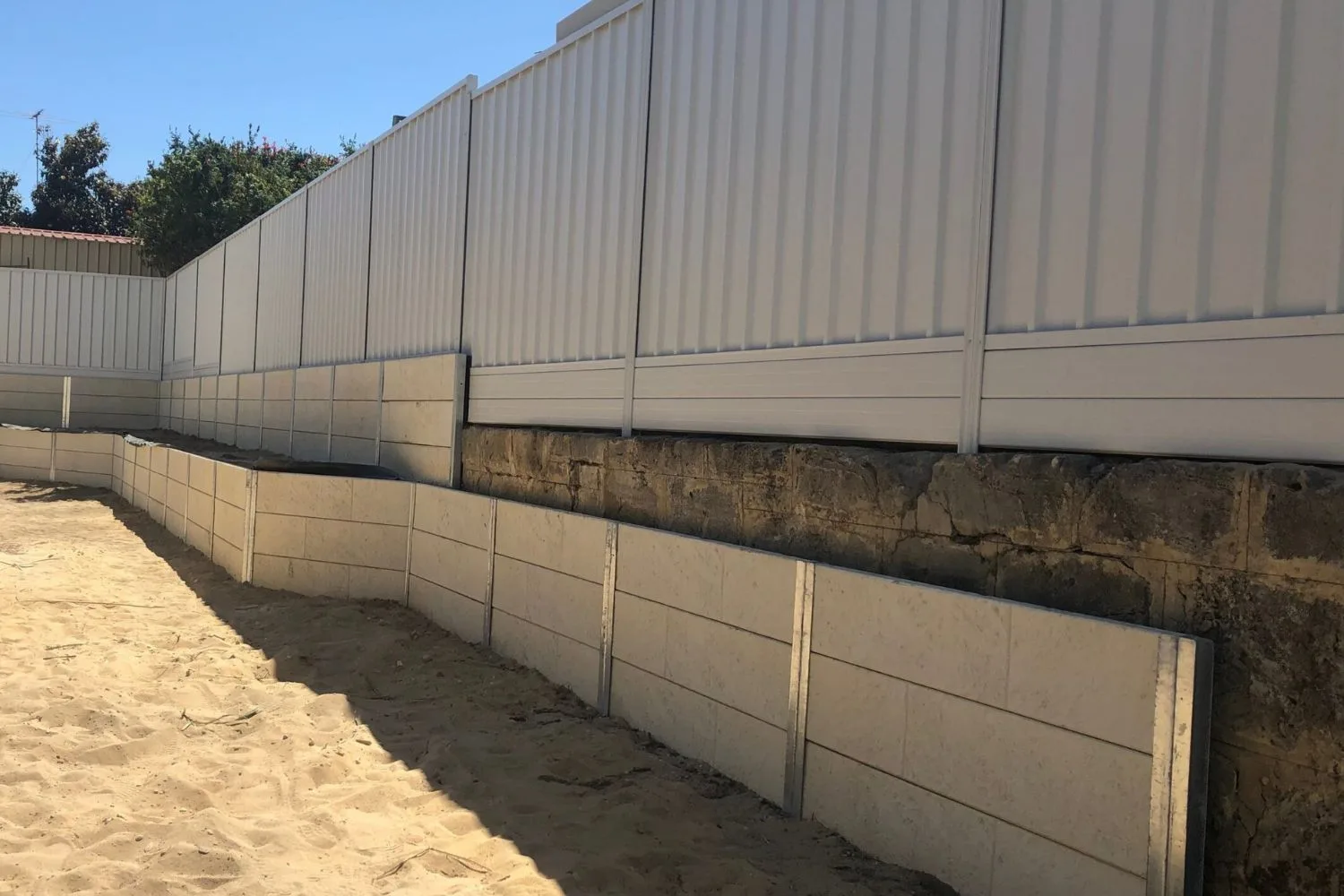
Concrete Sleeper Retaining Walls
Steel-reinforced and built with fittings rated for heavy salt-air exposure, a strong option where the wall is carrying real load on a steep drop.
Read more →
Need a retaining wall built on a Whale Beach property? We build concrete sleeper, timber, sandstone and gabion walls on some of the steepest ground on the whole peninsula, blocks that drop hard from the headland road down toward the water with barely a flat section in between. That kind of fall changes how a wall gets built. Excavation on these blocks routinely hits Hawkesbury sandstone at shallow depth rather than clay or loam, and on a slope this steep, that often means the wall needs to be anchored into the rock itself with rock anchors or soil nails rather than simply founded on top of it. Add the salt air off an exposed stretch of coast like this, which corrodes untreated steel and shortens the life of timber faster than most of the Northern Beaches, and it's clear a Whale Beach wall needs proper engineering from the ground up, not a standard approach carried over from a flatter suburb. Get in touch and we'll assess your slope properly before recommending anything.
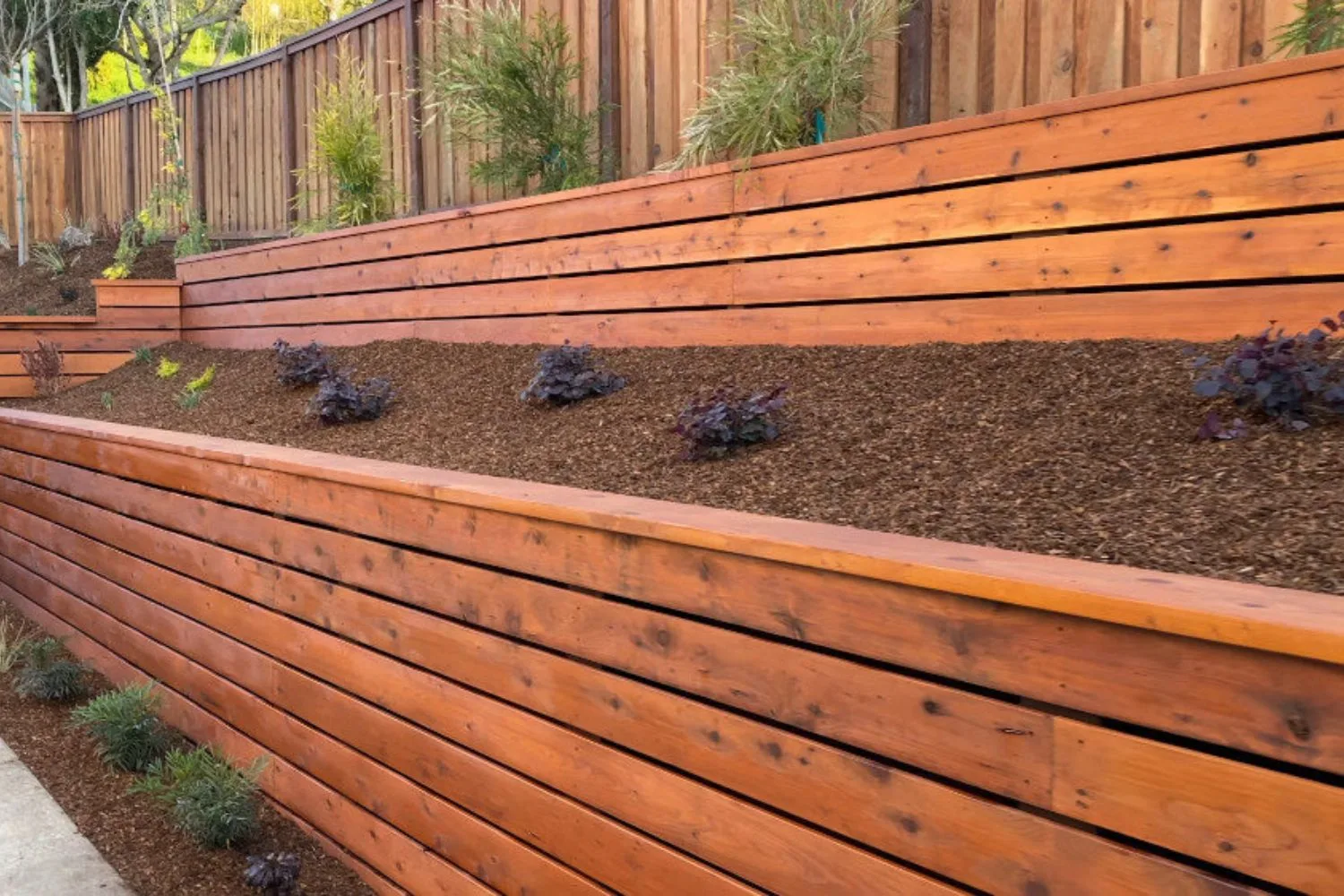
Steel-reinforced and built with fittings rated for heavy salt-air exposure, a strong option where the wall is carrying real load on a steep drop.
Read more →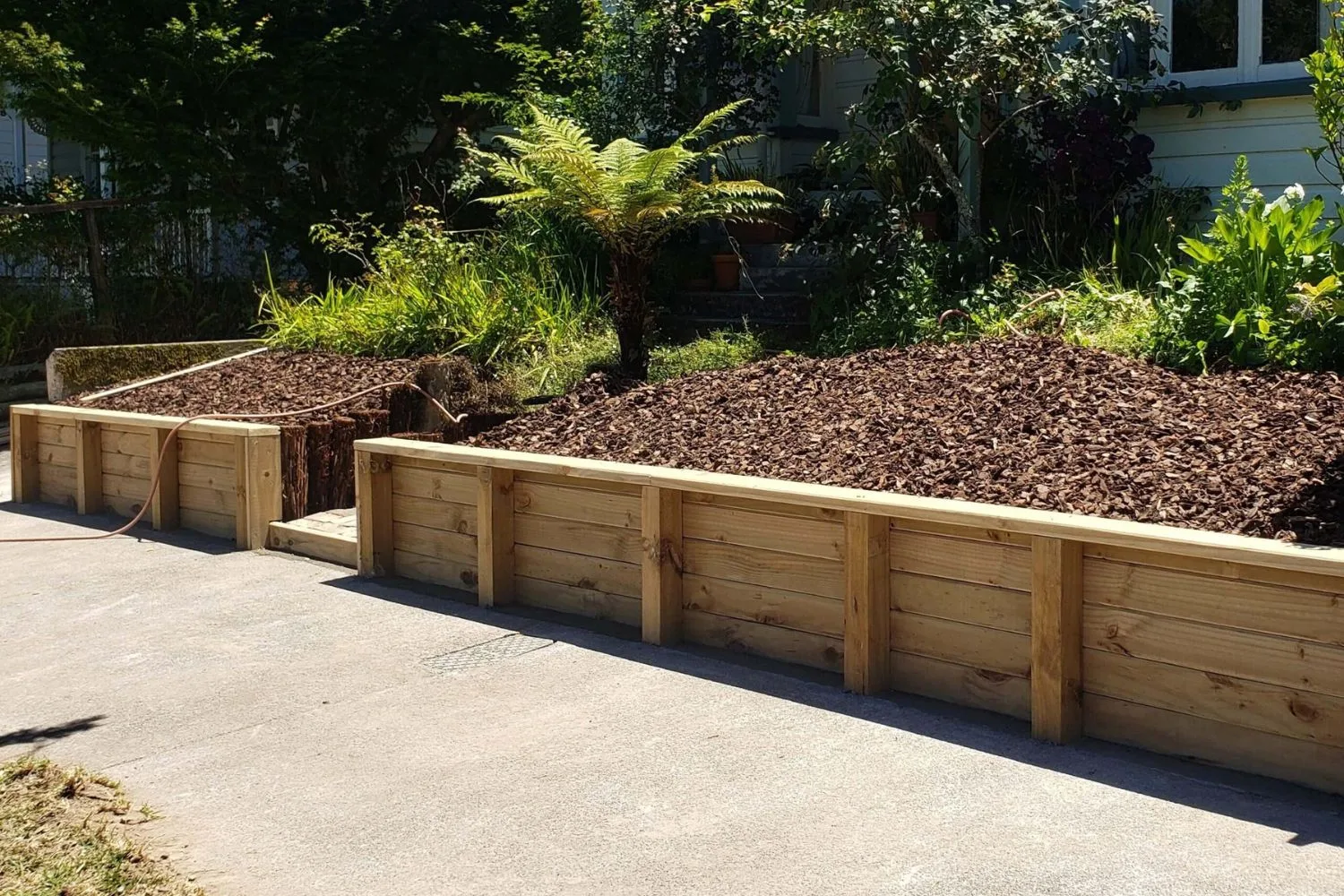
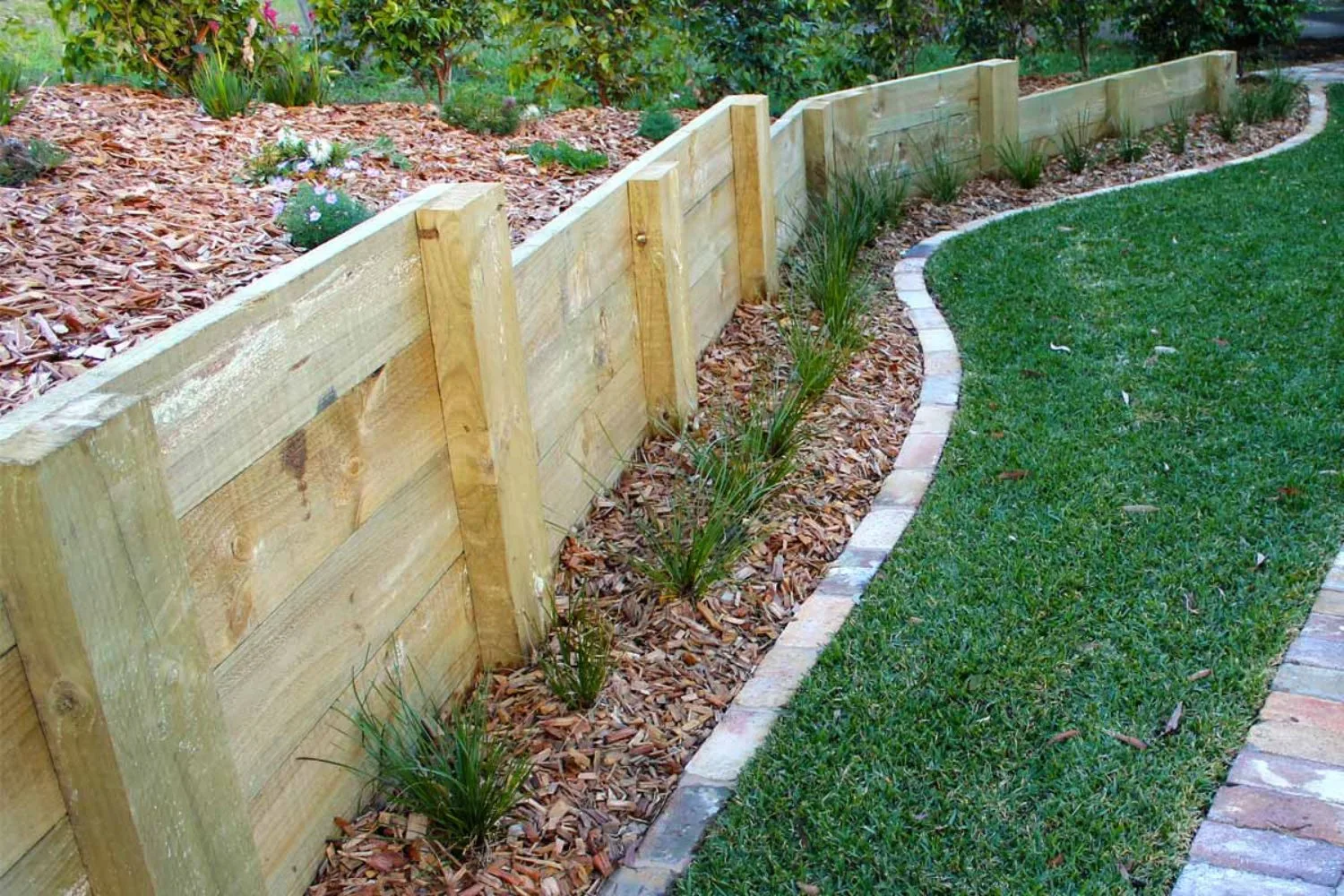
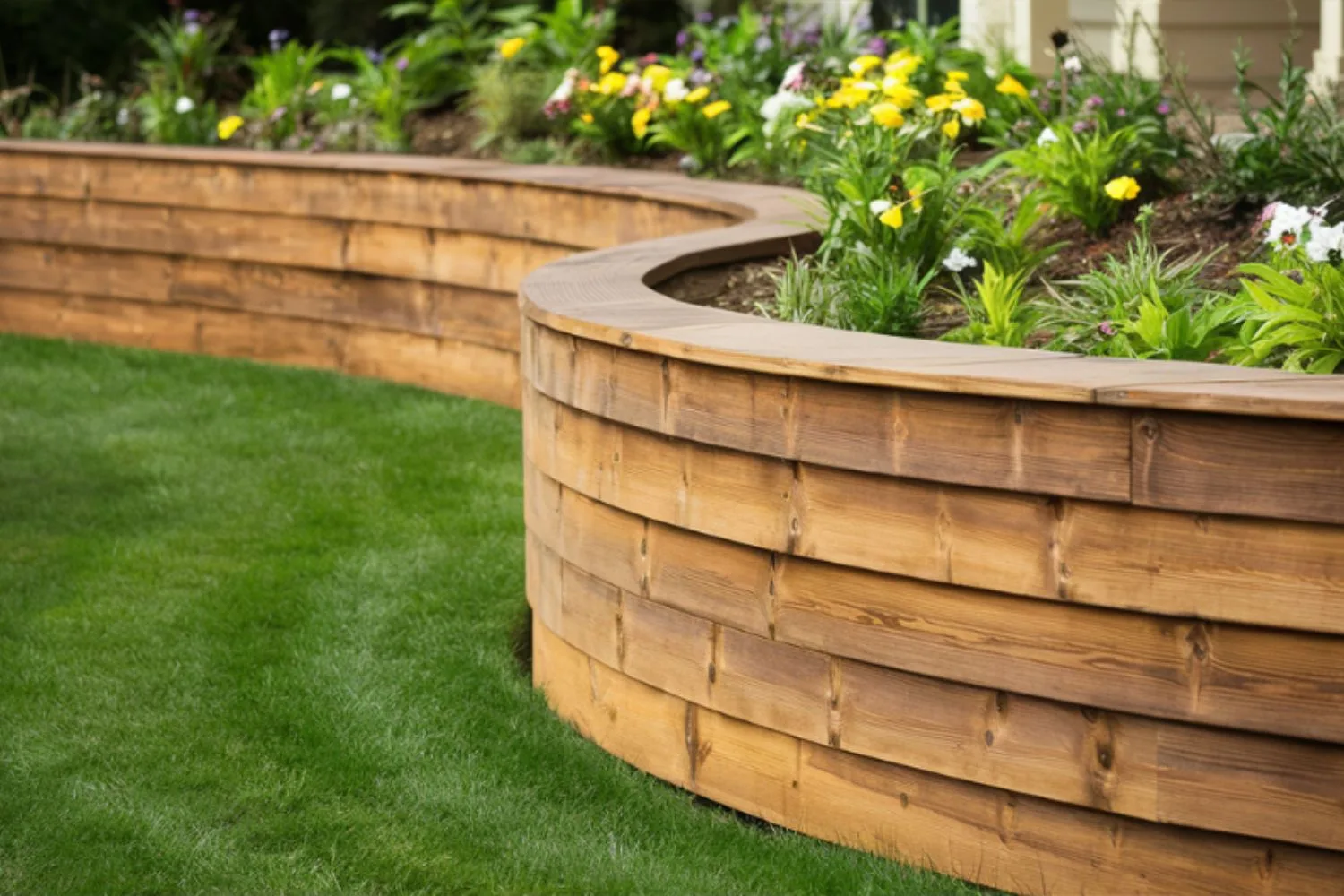
A natural finish for garden terracing on gentler sections of the block, built in properly treated pine or hardwood for this coastline.
Read more →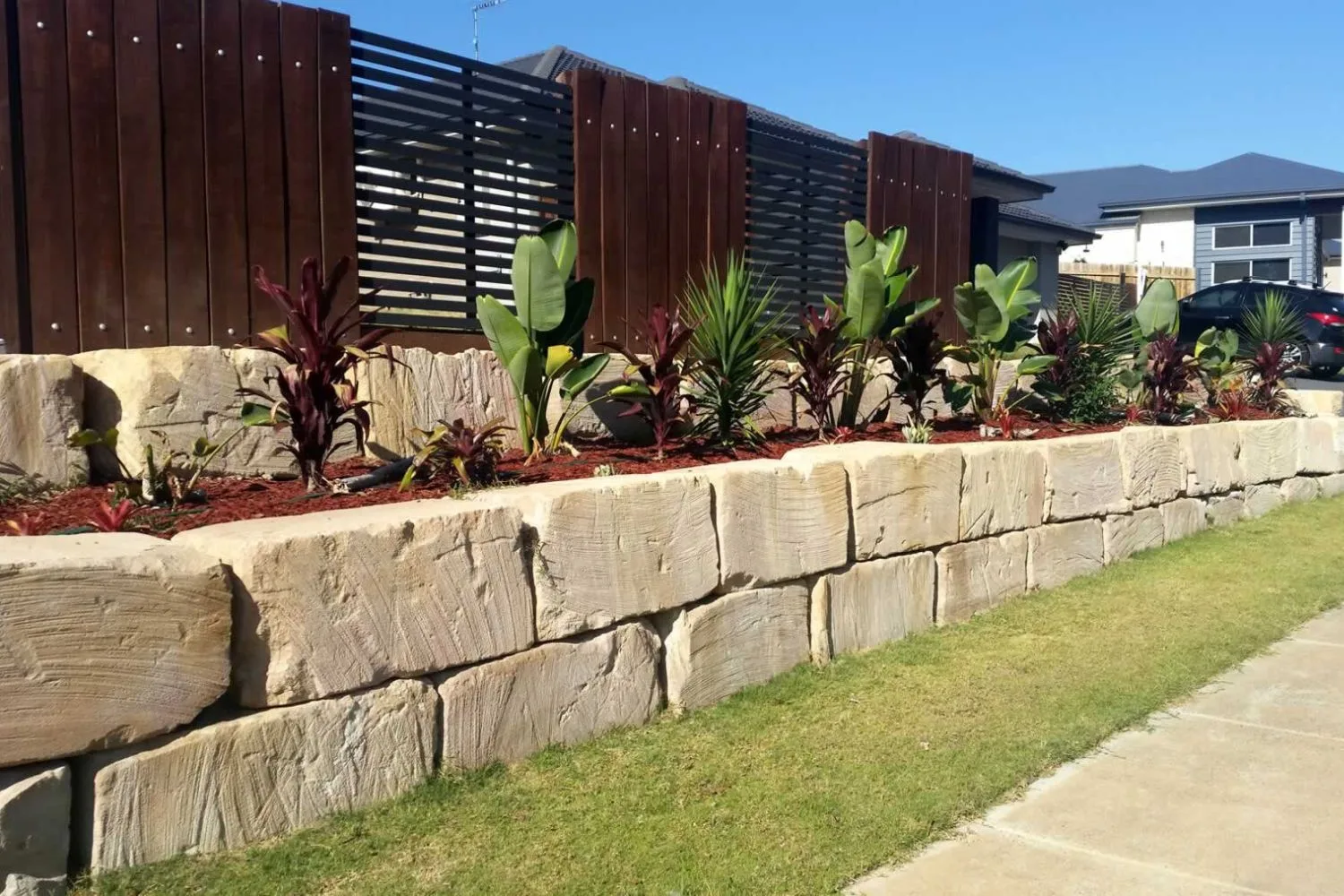
A durable wall that sits naturally against the rock already exposed on many Whale Beach blocks, laid in sawn, cut or random layouts.
Read more →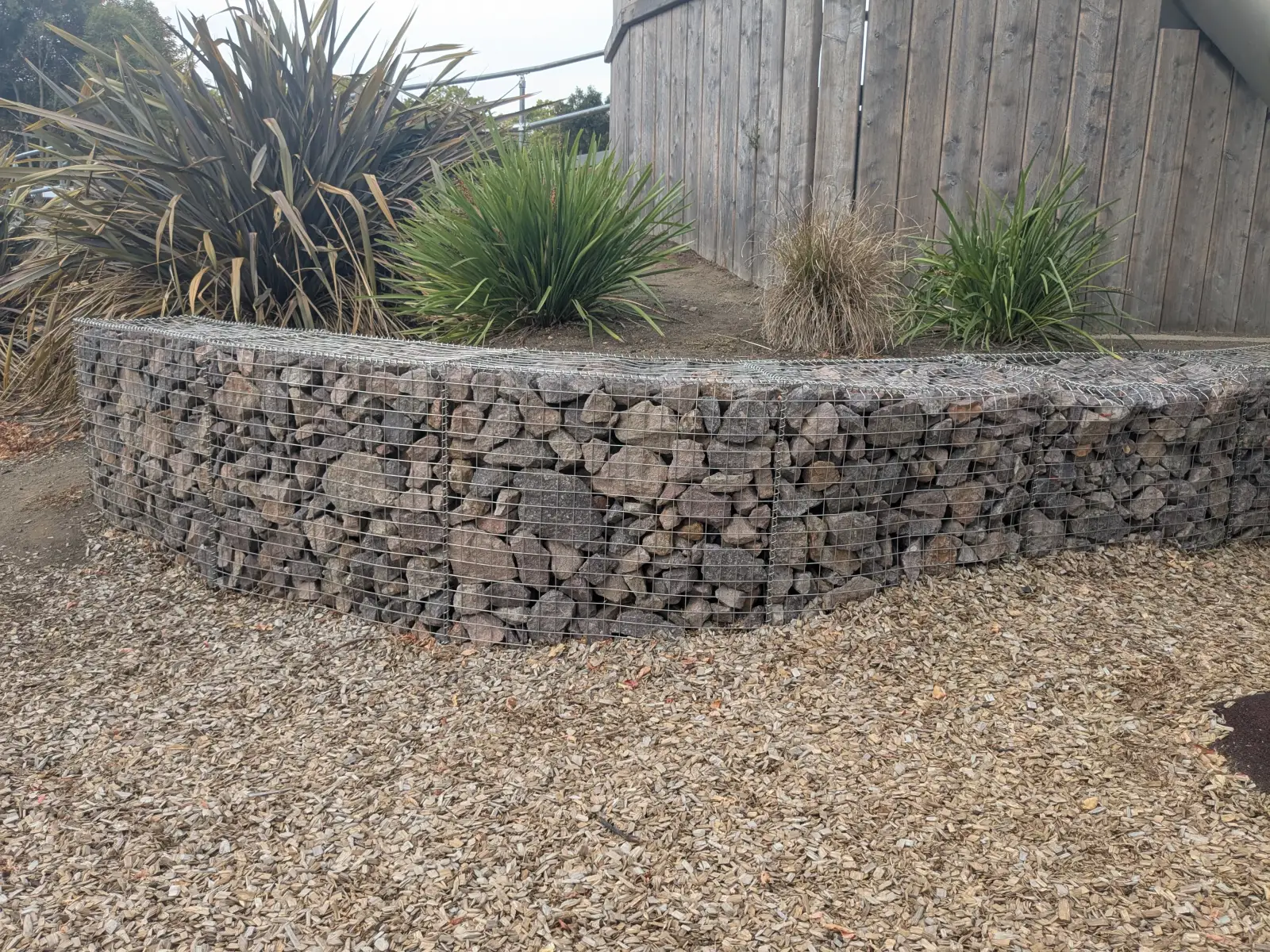
A flexible, permeable option on steep, rock-affected ground where drainage needs a clear path rather than building up behind the wall.
Read more →A wall on a headland-steep Whale Beach block only holds if it's founded properly into what's actually underneath it, which on this ground usually means sandstone rather than soil. We assess the rock depth and slope before recommending whether the wall needs to be anchored into the shelf, rock-broken, or founded directly on it, rather than pricing the job on an assumption. Access is often tighter on these blocks too, so equipment and sequencing get planned around the site's actual constraints rather than a standard flat-block approach. Every fitting is specified for this level of coastal salt exposure, and where the wall needs an engineer's design, which is close to standard on ground this steep, that's arranged as part of the process.
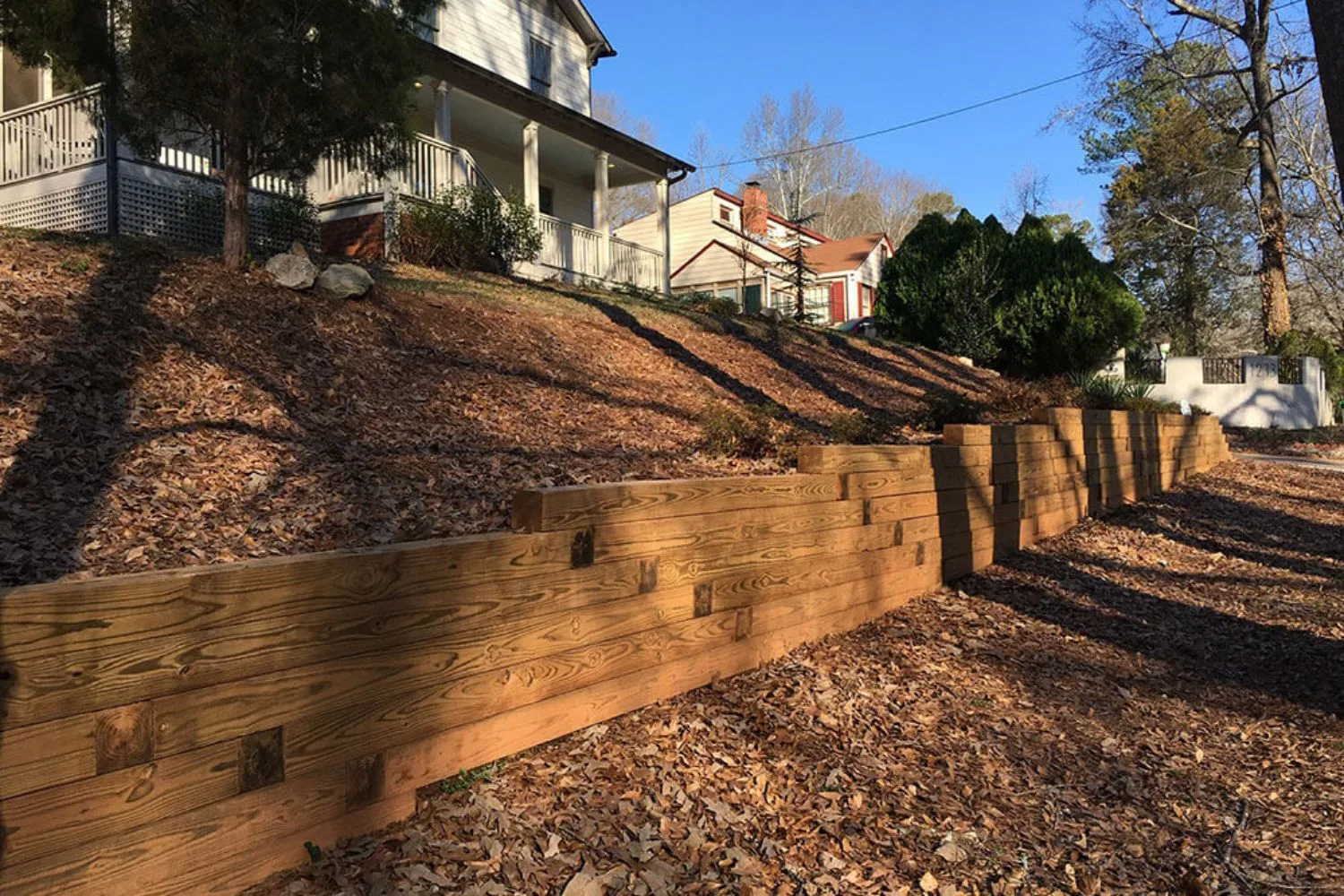
On steep, rock-affected Whale Beach blocks, the founding method usually matters as much as the material choice. We assess the slope and the depth to bedrock first, then recommend the material that suits how the wall needs to be anchored or founded.
Slope, wall height, how much rock the excavation hits and how the wall needs to be anchored are the main factors. A wall on a steep, rock-affected Whale Beach block generally involves more engineering than a straightforward wall on a flat, soil-only site.
Yes. On ground this steep, water finds the path of least resistance fast, so drainage is planned into the design from the start rather than added once the wall's already built.
A wall properly anchored into the sandstone underneath and fitted with components rated for this coastline's salt exposure holds up well long term. The walls that fail early out here are usually the ones founded on an assumption about the ground rather than an actual check of it.
Steep, rock-affected ground calls for a retaining wall that's engineered for the slope, not adapted from a flatter-block approach. Tell us about your Whale Beach property and we'll assess what it needs.